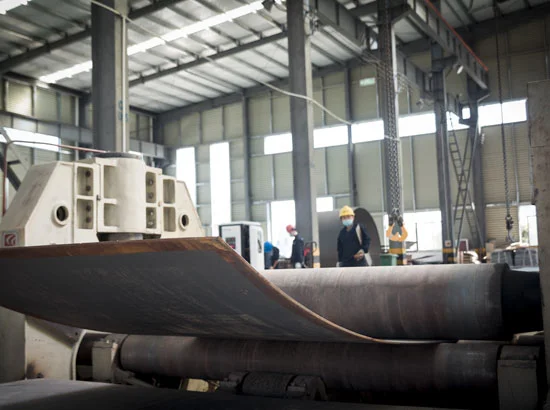
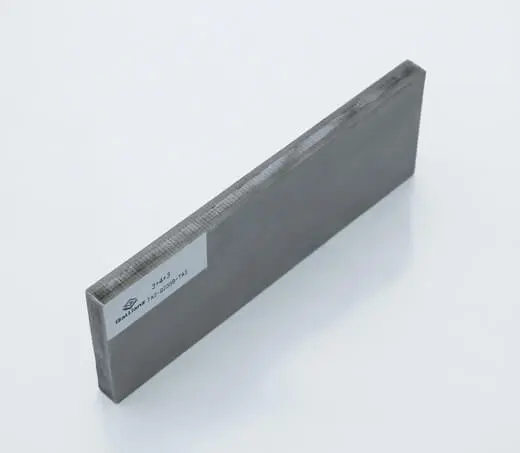
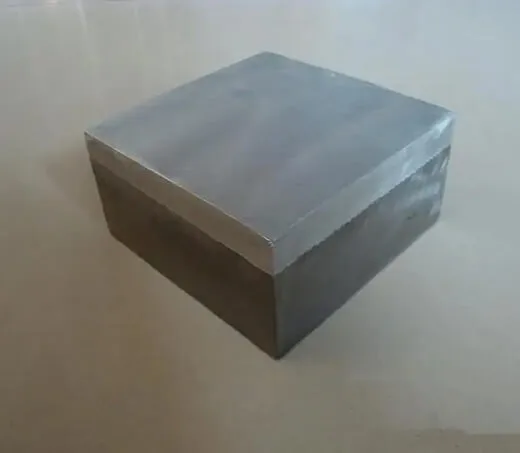
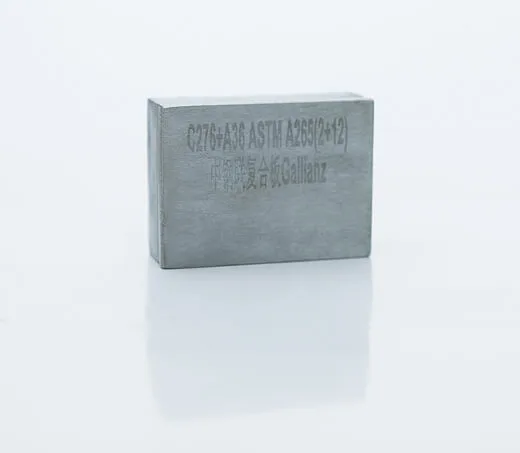
The core difference between these two types of metal clad plates lies in their corrosion resistance level and cost positioning. 316L+304+316L is a high-corrosion-resistance configuration designed for harsh environments, while 304+201+304 prioritizes cost-effectiveness and is suitable for ordinary indoor or dry environments.
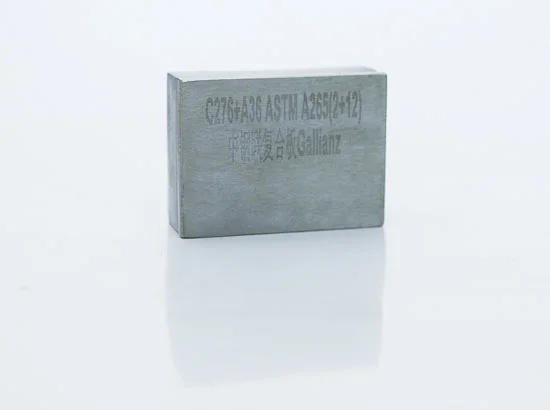
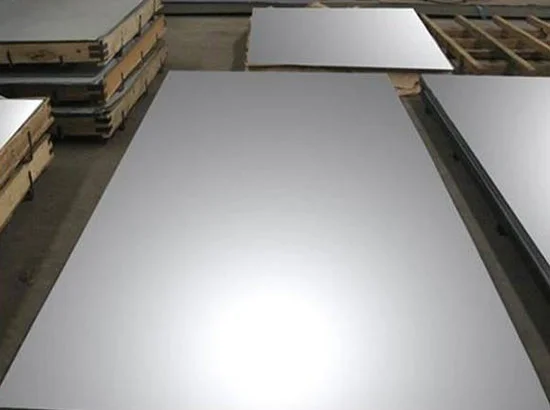
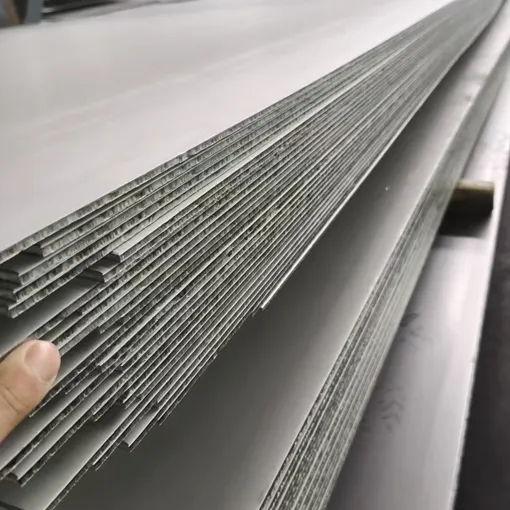
The surface and edges of the three-layer stainless steel composite panel look identical to solid stainless steel.
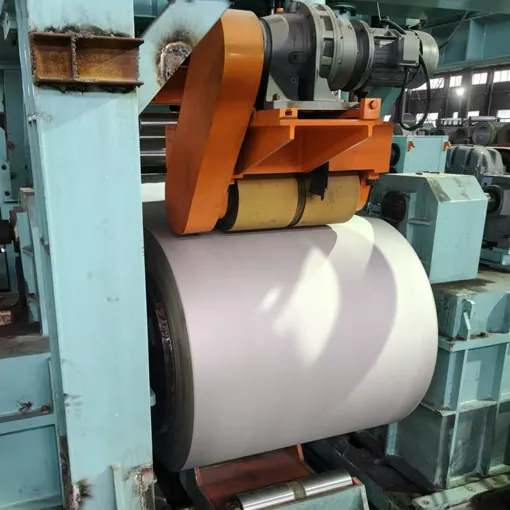
Comparison Dimension | 316L+304+316L clad plate | 304+201+304 clad plate |
Structural Features | Symmetrical high-corrosion-resistance structure: both outer layers are 316L, core layer is 304. | Symmetrical economical structure: both outer layers are 304, core layer is 201. |
Corrosion Resistance | Extremely strong: 316L contains molybdenum (Mo), offering excellent resistance to chloride ions (e.g., seawater, salt spray) and acidic environments. | Good: The 304 surface layer can withstand normal atmospheres,moisture, and mildly corrosive media, but is unsuitable for high-salinity or strong acid/alkali conditions. |
Mechanical & Processing Properties | Excellent high-temperature/non-magnetic performance: 316L has slightly lower high-temperature strength than 304, but offers good plasticity and toughness, and remains non-magnetic after processing. | Prone to work hardening: 304 has good hot workability for stamping and bending, but cold working readily induces deformation martensite, leading to increased magnetism and hardening. |
Cost | Cost-effective: Using lower-cost 304 stainless steel as the core layer significantly reduces overall material cost while maintaining high corrosion resistance. | Cost-effective: Using lower-cost 201 stainless steel as the core layer significantly reduces overall material cost while ensuring good surface quality. |
Typical Applications | Coastal building facades, seawater desalination equipment, chemical plants, food processing equipment, medical devices, and other fields requiring extremely high corrosion resistance and cleanliness. | High-end decoration, elevators, cabinets, indoor piping, general chemical storage tanks, and structural components in dry environments. |
The choice largely depends on your operating environment:
Choose 316L+304+316L: If the material will be used near the coast, swimming pools, chemical plants, or vinegar/soy sauce brewing workshops—anywhere chloride ions or acid/alkali corrosion is present—this is the required "corrosion-essential" choice without prioritizing budget.
Choose 304+201+304: If the material is intended for ordinary interior decoration, building facades in dry regions, elevator panels, or general structural applications where achieving "the best steel for the task" at an optimal price-performance ratio is the goal, this option is highly suitable.
1.Thickness range:0.88 mm ≤ Thickness ≤ 3.0 mm (Cold rolled); Width ≤ 1240 mm; Supplied in coil form.
2. Thickness range:3.0 mm < Thickness ≤ 6.0 mm (Hot rolled); Width ≤ 1500 mm; Supplied in coil form.
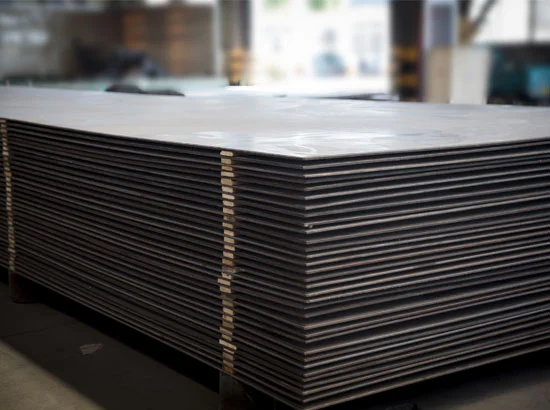
3.Thickness range:Thickness ≥ 6.0 mm (Hot rolled); Width ≤ 2500 mm; Length < 14000 mm; Supplied as cut-to-length plates.
The main difference is their corrosion resistance and intended service environment. A 316L+304+316L clad plate uses molybdenum-containing 316L on both outer surfaces, providing better resistance to chloride-containing and mildly acidic environments. A 304+201+304 clad plate uses 304 outer layers with a more economical 201 core and is better suited to indoor, dry or mildly corrosive applications.
Yes. A three-layer stainless steel composite plate places the required corrosion-resistant grade on the exposed surfaces while using a more economical stainless steel grade in the core. This reduces dependence on solid 316L or solid 304 material throughout the entire thickness. The actual cost difference depends on the layer ratio, dimensions, surface finish, quantity and processing requirements.
Yes. Both configurations have stainless steel outer layers, so their visible surfaces can have an appearance similar to solid stainless steel after suitable finishing. However, they are not identical in material composition throughout the full thickness. Corrosion resistance is primarily determined by the outer stainless steel grade, while edge design, welding and long-term service conditions should also be considered.
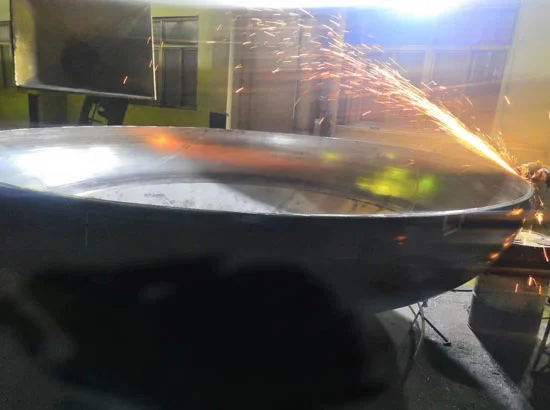
Three-layer stainless steel clad plates can generally be processed by bending, stamping, cutting and welding when suitable fabrication procedures are used. The processing method should be selected according to the layer combination, total thickness, bending radius and final application. For welded or highly formed components, Gallianz can review the required dimensions and fabrication conditions before production.
PHONE
ADDRESS
No.20 Yongtai Road, Pingqiao High-tech Industrial Park, Yu 'an District, Lu' an City, Anhui Province, P.R.China.
 English
 日本語
日本語 한국어
한국어 français
 Deutsch
 Español
 italiano
 русский
 português
 العربية
 فارسی
فارسی