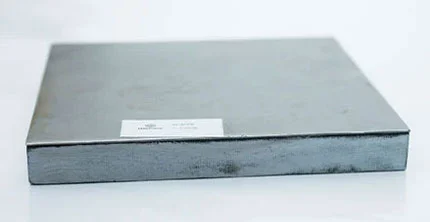
Nickel alloy plate is one of the most important engineered materials used in demanding industrial environments. Thanks to its exceptional corrosion resistance, high-temperature strength, oxidation resistance, and mechanical durability, nickel alloy plates are widely used in aerospace, marine engineering, chemical processing, power generation, oil & gas, and medical industries.
As industries continue to demand materials that can withstand aggressive environments and extreme temperatures, the global market for nickel alloy plates continues to grow. Selecting the right material grade and working with experienced plate suppliers such as Gallianz can significantly improve equipment performance and reduce long-term maintenance costs.
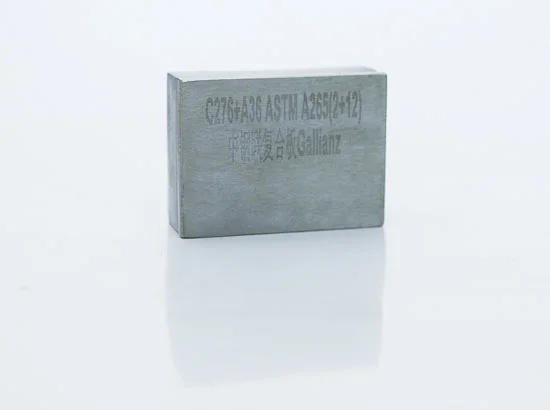
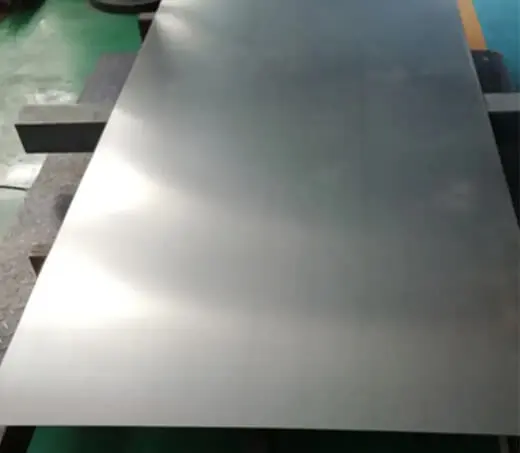
A nickel alloy sheet or nickel alloy plate is a flat-rolled metal product primarily composed of nickel combined with alloying elements such as chromium, molybdenum, iron, copper, cobalt, or titanium. These alloying elements enhance the material’s resistance to corrosion, heat, pressure, and chemical attack.
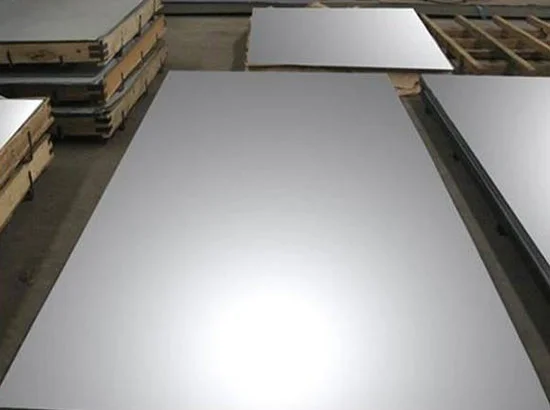
Nickel alloy sheets are typically thinner materials used in fabrication and precision applications, while nickel alloy plates are thicker and designed for heavy-duty structural or industrial environments.
Nickel alloy plates are available in various forms, including:
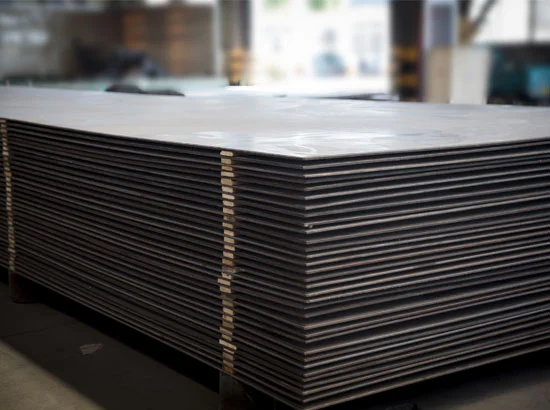
Hot rolled plates
Customized cut plates
Manufacturers and plate suppliers often provide customized dimensions and surface treatments according to industrial requirements.
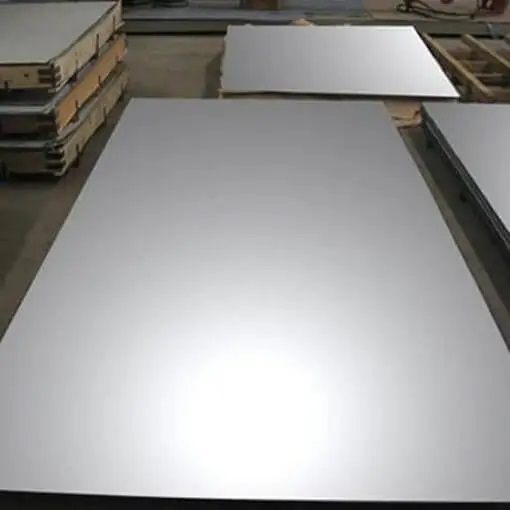
Choosing nickel alloy plate instead of conventional steel or aluminum provides several long-term advantages.
Nickel alloy plates offer excellent long-term value because of their superior durability and resistance to harsh operating conditions. Compared with conventional materials, they help:
Reduce maintenance frequency
Minimize equipment downtime
Lower replacement costs
Extend overhaul intervals
Improve overall equipment lifespan
Although the initial material cost may be higher than carbon steel, the total lifecycle cost is often significantly lower.
In industries like nuclear energy and chemical processing, material failure can lead to catastrophic consequences. Nickel alloy plates help maintain operational safety under extreme conditions.
Nickel alloy sheets can operate effectively in:
High-pressure systems
Acidic environments
Hastelloy C-276 demonstrates extremely low corrosion rates in hydrochloric acid and sulfuric acid processing environments, with corrosion rates in certain hydrochloric acid solutions remaining below 0.5 mm/year according to published UNS N10276 corrosion data.
Marine conditions
Cryogenic temperatures
High-temperature furnaces
Nickel-based alloys such as Inconel 625 maintain excellent oxidation resistance and mechanical stability at temperatures approaching 980–1000°C, significantly outperforming conventional 310S stainless steel during prolonged high-temperature exposure.
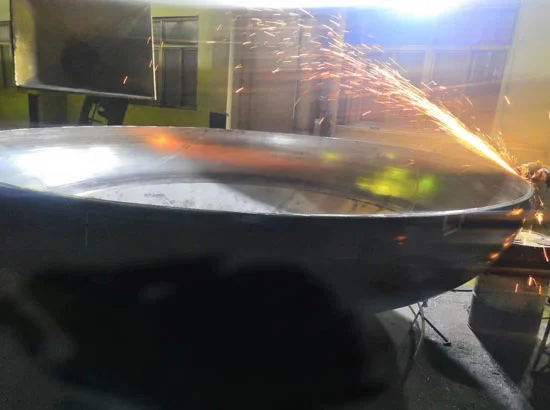
Nickel alloy plates are compatible with various fabrication methods and engineering systems, making them suitable for customized industrial projects.
While nickel alloy plates offer outstanding corrosion resistance and high-temperature performance, manufacturers should also consider several practical challenges during material selection and fabrication.
Higher initial cost: Nickel alloys are generally more expensive than carbon steel and conventional stainless steel due to the high content of nickel, molybdenum, and chromium.
Work hardening during machining: Alloys such as Inconel and Hastelloy can harden rapidly during cutting or drilling, increasing tool wear and machining difficulty.
Specialized welding requirements: Nickel alloy welding often requires controlled heat input, compatible filler materials, and qualified welding procedures to minimize hot cracking and maintain corrosion resistance.
Proper fabrication planning and experienced processing capabilities are essential for achieving optimal long-term performance.
Selecting the correct nickel alloy plate requires evaluating operating conditions, mechanical requirements, and applicable industry standards. Different alloy grades are optimized for different environments, especially in terms of temperature resistance, corrosion performance, and mechanical stability.
| Operating Environment | Recommended Alloy Grade | Key Advantages |
|---|---|---|
| High-temperature furnaces (800–1000°C) | Inconel 600 / 625 | Excellent oxidation resistance and high-temperature strength |
| Strong acidic chemical processing | Hastelloy C-276 | Outstanding resistance to hydrochloric and sulfuric acids |
| Marine and seawater systems | Monel 400 | Excellent seawater corrosion resistance |
| Nuclear and power generation | Inconel 718 | High creep and fatigue resistance |
| Heat exchangers and pressure vessels | Incoloy 800H | Good thermal stability and ASME pressure vessel suitability |
| Chloride-rich environments | Hastelloy C-22 | Superior pitting and crevice corrosion resistance |
This selection guide provides a general reference for common industrial applications. Final material selection should always consider detailed design conditions, fabrication requirements, and relevant standards such as ASTM and ASME specifications.
Yes. Many nickel alloy plates are widely used in pressure vessels because of their excellent mechanical strength, heat resistance, and corrosion resistance under high-pressure operating conditions.
Yes. Most plate suppliers provide customized nickel alloy sheets and plates in different dimensions, surface finishes, and processing conditions to meet specific engineering needs.
The largest users include aerospace, oil & gas, chemical processing, marine engineering, energy generation, and nuclear industries.
Nickel alloy plates provide an ideal combination of corrosion resistance, high-temperature performance, mechanical strength, and long-term durability. Their ability to perform reliably in extreme industrial environments makes them a valuable material choice for critical engineering applications.
As global industrial standards continue to evolve, demand for premium nickel alloy plates will keep increasing. Selecting the correct alloy grade and partnering with experienced plate suppliers like Gallianz can greatly improve project reliability and long-term operational efficiency.
For companies seeking durable, high-performance industrial materials, nickel alloy plates remain one of the most valuable engineering investments available today. For a customized quote or technical consultation on nickel alloy plates, contact Gallianz today.
 English
 日本語
日本語 한국어
한국어 français
 Deutsch
 Español
 italiano
 русский
 português
 العربية
 فارسی
فارسی