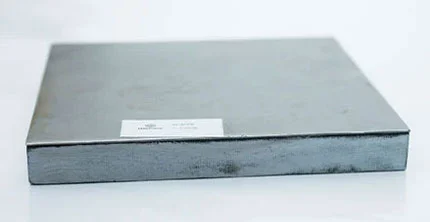
Pressure vessel plates are critical engineering materials used in industries where safety, strength, and reliability under high pressure are essential. These plates are designed to withstand mechanical stress, corrosion, and temperature variations, making them indispensable in oil & gas, petrochemical, power generation, and chemical processing industries. Common materials include carbon steel, alloy steel, and stainless steel grades, each selected according to specific service conditions and industry standards.
In modern engineering systems, selecting the right pressure vessel plate material directly impacts operational safety and lifecycle cost. As global industries demand higher efficiency and durability, pressure vessel plate suppliers such as Gallianz continue to develop advanced metallurgical solutions to meet increasingly stringent industrial requirements.
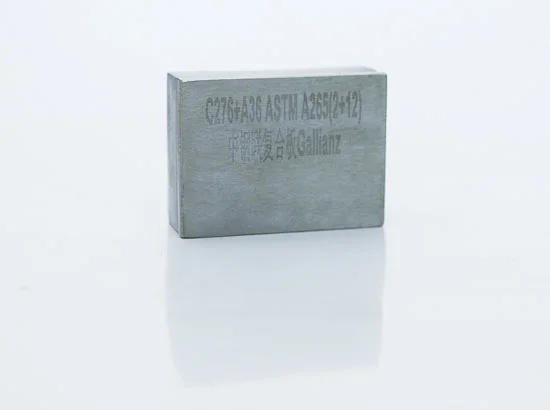
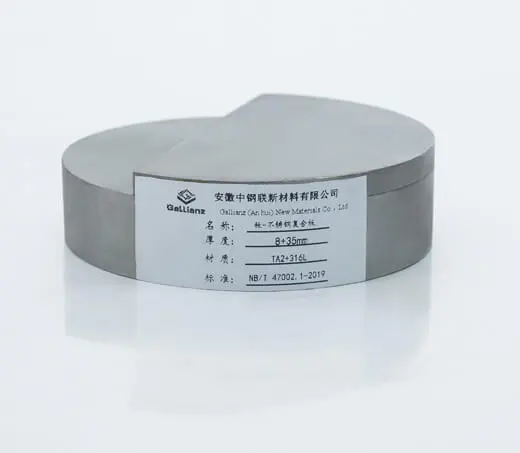
For severely corrosive services, clad plates offer a cost-effective alternative to solid alloy plates.
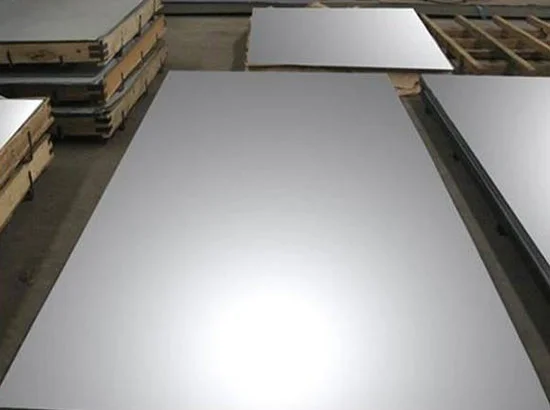
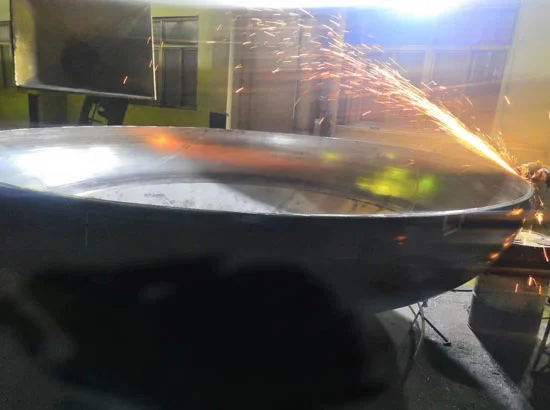
Pressure vessel plates are specially engineered steel plates used in the fabrication of pressure-containing equipment such as reactors, boilers, storage tanks, heat exchangers, and separators. These vessels are designed to safely contain gases or liquids operating at pressures significantly different from ambient conditions.
Unlike general structural steel, pressure vessel plates are manufactured to meet much stricter mechanical performance and safety requirements. They typically must:
Pass mandatory impact testing at specified temperatures to ensure toughness under low-temperature or high-stress conditions
Meet tighter chemical composition limits for improved weldability and long-term stability
Undergo 100% ultrasonic testing (UT) or other non-destructive examinations according to standards such as ASME and ASTM
Provide certified tensile strength, yield strength, and pressure resistance for critical industrial service
Pressure vessel plates are commonly produced from:
Carbon steel
Low-alloy Cr-Mo steel
Nickel alloy and titanium alloy materials
Typical grades include:
SA-516 Gr.70 — widely used carbon steel pressure vessel plate with good weldability and toughness
SA-387 Gr.11 / Gr.22 — chromium-molybdenum alloy steels designed for high-temperature and hydrogen service
SA-240 stainless steel plates — used in corrosive environments requiring enhanced corrosion resistance
These materials play a critical role in ensuring the structural integrity, operational safety, and long-term reliability of pressure vessels operating under high pressure, elevated temperature, or corrosive service conditions.
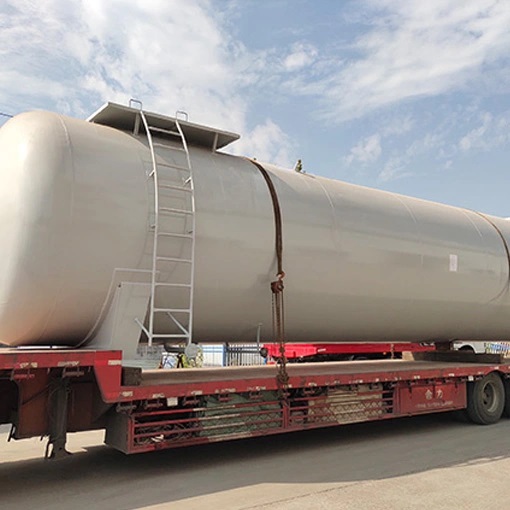
A high-quality pressure vessel plate material must meet strict mechanical and chemical requirements. Below is a simplified overview:
| Property | Description | Importance | Typical Test Standards |
|---|---|---|---|
| Strength | High tensile and yield strength typically with yield strength ranging from ≥260 MPa to ≥690 MPa depending on the steel grade | Prevents deformation or rupture | ASTM A370, ASTM A20/A20M |
| Toughness | Resistance to brittle cracking under stress, commonly verified by Charpy V-notch impact testing (e.g., ≥27 J at -29°C for many pressure vessel applications) | Ensures safety in extreme conditions | ASTM E23, ASTM A370 |
| Corrosion resistance | Resistance to chemical attack | Critical for petrochemical use | ASTM G31, NACE MR0175 |
| Heat resistance | Stability at high temperatures | Essential for boilers & reactors | ASTM E21, ASME BPVC Section II |
| Weldability | Ability to be welded safely with controlled carbon equivalent (typically CE ≤ 0.40–0.45) and suitable preheating procedures when required | Enables complex vessel design | AWS D1.1, ASME BPVC Section IX |
| Fatigue resistance | Ability to withstand cyclic pressure and thermal loading, such as vessels exposed to frequent pressure fluctuations or PSV cycling | Important for long service life | ASTM E466, ASME BPVC Section VIII Div.2 |
These properties ensure that pressure vessels operate safely under continuous stress, vibration, and thermal cycling.
The manufacturing process of pressure vessel plates is tightly controlled to meet international standards such as the ASME Boiler and Pressure Vessel Code and EN specifications.
Steel ingots or continuously cast slabs are selected based on required chemical composition and mechanical properties. Elements such as carbon, manganese, chromium, and nickel are carefully controlled to ensure strength, toughness, and weldability.
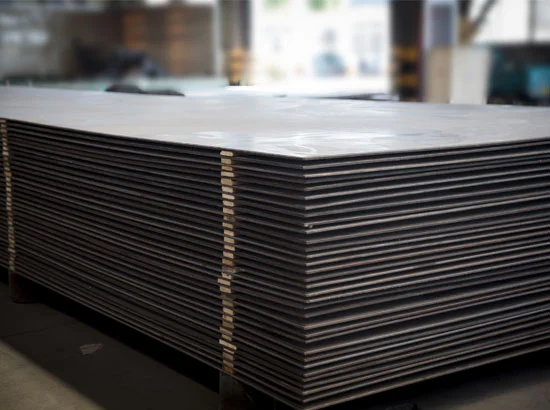
The steel is hot-rolled into plates with controlled thickness. Key parameters such as rolling ratio, finishing temperature, and cooling rate are strictly managed to ensure uniform grain structure and stable mechanical performance.
Heat treatment improves strength and toughness. Common processes include:
Normalizing to refine grain structure
Quenching and tempering to balance strength and ductility
Simulated post-weld heat treatment (PWHT) to evaluate service stability
Pressure vessel plates undergo strict inspection to ensure safety and compliance.
According to ASME Section VIII, Division 1, all pressure vessel plates must undergo full volumetric examination (e.g., ultrasonic testing) after rolling.
Key tests include:
Ultrasonic Testing (UT)
Radiographic Testing (RT)
Tensile and impact testing
Hardness testing
These ensure internal soundness and mechanical reliability before delivery.
Pressure vessel plate selection should be based on service conditions rather than a single dominant factor. A simplified decision approach is as follows:
Corrosive media (acidic, saline, chemical exposure):
Use stainless steel, nickel-based alloys, or clad plates depending on severity and cost balance.
Clad plates are mainly used for corrosion protection, not pressure resistance.
High temperature (>400°C): Cr-Mo steels such as SA-387
Low temperature (< -20°C): 9% Ni steel or low-temperature carbon steel
Normal conditions: Carbon steel (e.g., SA-516)
High pressure does not directly require clad or high-alloy plates.
Most pressure vessels use carbon steel or low-alloy steels (e.g., SA-516, SA-517), with strength achieved through thickness and grade selection.
Good weldability and formability improve manufacturability
Carbon steel is most cost-efficient
Clad plates reduce cost when corrosion resistance is needed on surfaces
All materials must comply with codes such as ASME Section VIII or EN 10028.
A practical selection framework can be summarized as:
Is the medium corrosive?
→ Yes: stainless steel, nickel alloys, or clad plates
Is the temperature high (>400°C)?
→ Yes: Cr-Mo steels (e.g., SA-387)
Is the temperature very low (< -20°C)?
→ Yes: nickel steels (e.g., 9% Ni) or low-temperature carbon steel
Otherwise:
→ Carbon steel (e.g., SA-516) is typically sufficient
A pressure vessel plate is designed for high-pressure and high-temperature service and must meet strict standards such as ASME requirements for strength and toughness. Normal steel plates, such as ASTM A36, are used for general structural applications like buildings and fabrication, where high-pressure resistance is not required.
Industries include oil & gas, petrochemical processing, power generation, nuclear energy, marine engineering, and pharmaceutical production.
Carbon steel is the most widely used due to its balance of strength, weldability, and cost efficiency.
Clad plates combine a strong base metal with a corrosion-resistant surface, improving durability in aggressive chemical environments while reducing material costs.
Yes. Clad plates are used in corrosive environments. They combine a strong base metal with a corrosion-resistant layer, improving durability while reducing cost.
Pressure vessel plate selection must be based on applicable design codes, actual service conditions (pressure, temperature, and corrosion), and full lifecycle cost rather than material grade alone. Proper material choice directly affects equipment safety, weld integrity, and long-term operational reliability.
For engineering projects requiring certified pressure vessel plates, sourcing from suppliers with ASME-compliant materials, full traceability, and strict quality documentation—such as Gallianz—can significantly reduce procurement and compliance risks while improving overall project reliability.
 English
 日本語
日本語 한국어
한국어 français
 Deutsch
 Español
 italiano
 русский
 português
 العربية
 فارسی
فارسی