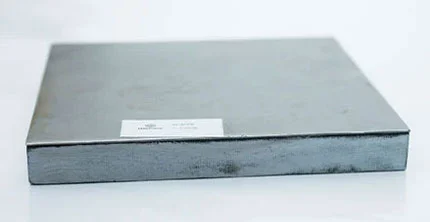
Clad steels, known for their combination of different steel layers bonded together, offer enhanced properties such as improved resistance to corrosion, wear, and thermal stress. Proper welding techniques are crucial for maintaining these benefits and ensuring the structural integrity of clad steel components. In this guide, we’ll explore the best practices for welding clad steels, including preparation, techniques, and common challenges.
What Are Clad Steels?
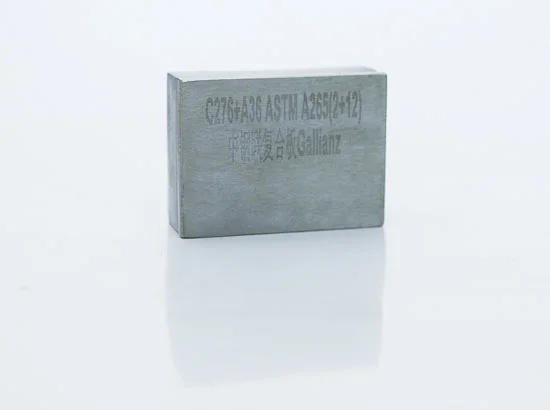
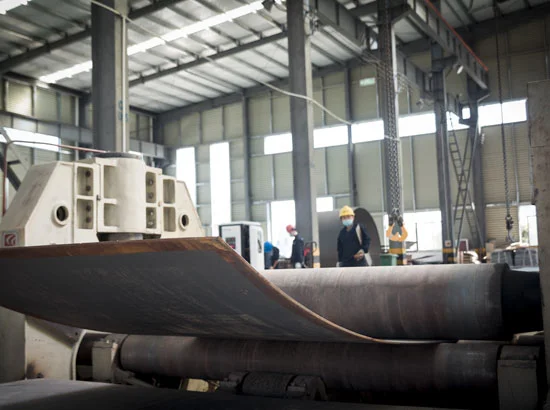
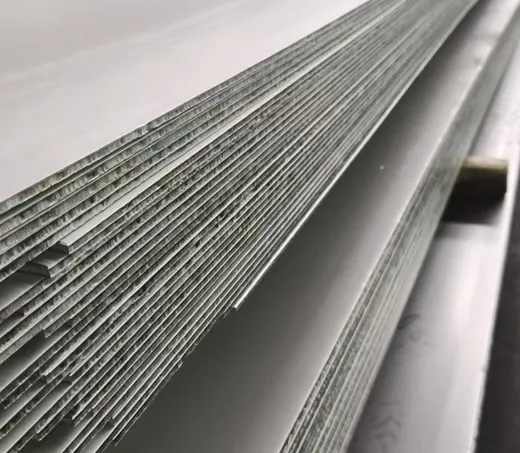
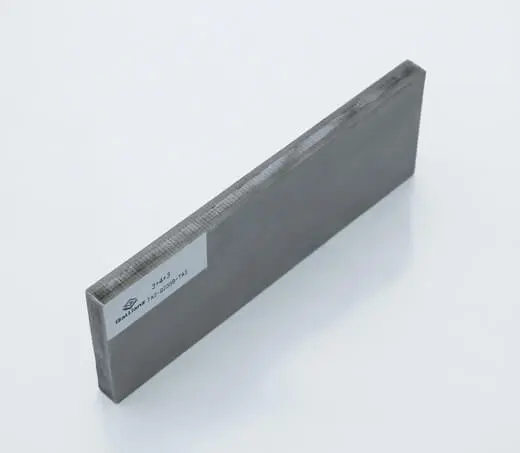
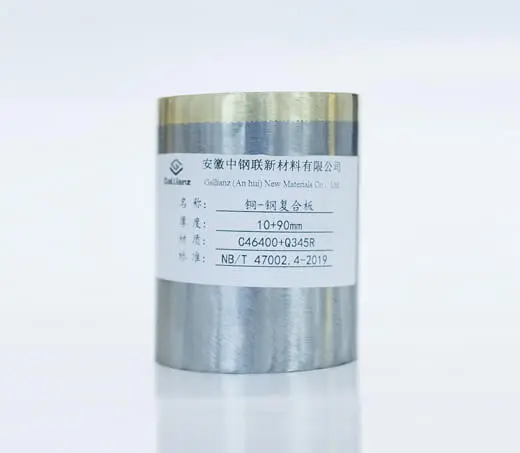
Clad steels are composite materials consisting of a layer of a different steel or metal bonded to a base metal. This layering process results in a material with a combination of properties that are superior to those of the base metals alone. The outer layer often provides corrosion resistance or wear resistance, while the base metal offers strength and ductility.
Types of Clad Steels
Clad steels come in various forms, including:
Overlay Cladding: A thin layer of alloy or stainless steel is welded onto a carbon steel base.
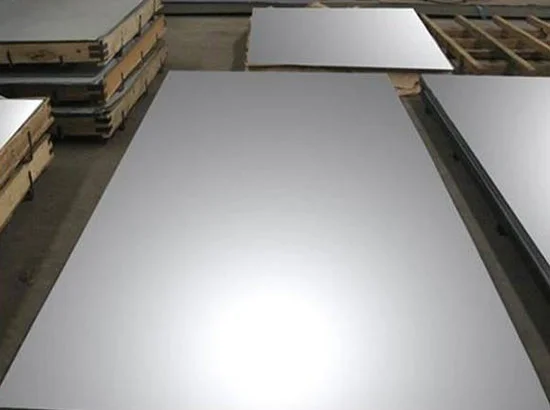
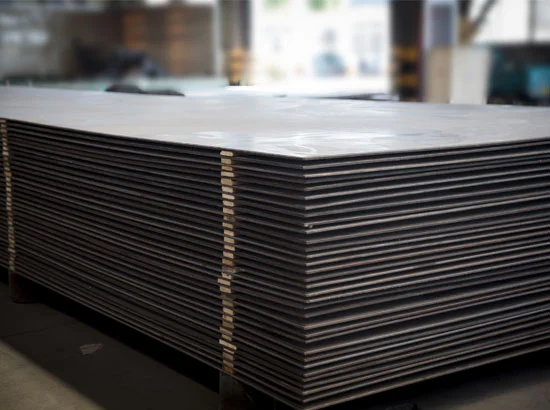
Bonded Clad Plates: Plates made by bonding layers of different steels under heat and pressure.
Explosive Cladding: Layers are bonded using explosive techniques to achieve high strength.
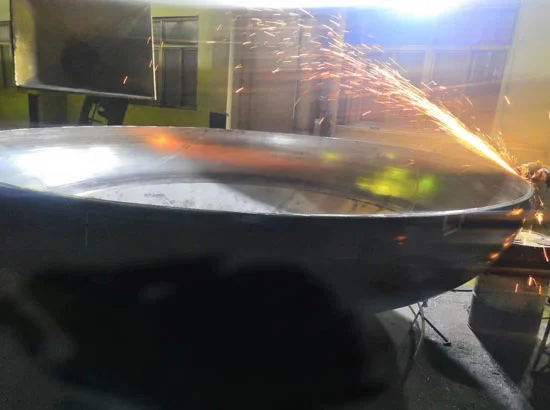
Several welding methods can be employed for clad steels, including:
Manual Metal Arc Welding (MMA): Suitable for small-scale operations.
Gas Tungsten Arc Welding (GTAW): Ideal for precision work.
Gas Metal Arc Welding (GMAW): Commonly used for larger structures.
Submerged Arc Welding (SAW): Useful for thick materials.
Surface Preparation
Before welding, it is crucial to prepare the surface of the clad steel. This includes removing any rust, oil, or contaminants that could interfere with the welding process. Proper surface preparation ensures a clean and strong weld.
Cleaning and Inspection
Thorough cleaning of the welding area is essential. Inspect the surfaces for any defects or issues that might affect the weld quality. This can involve visual inspections and non-destructive testing techniques.
Preheating Requirements
Preheating the clad steel may be necessary to reduce the risk of cracking and to ensure proper fusion between the layers. The required temperature will depend on the specific type of clad steel and the welding method used.
MMA, or stick welding, is versatile and can be used for various types of clad steels. It is particularly useful for repair work and in environments where precision is less critical.
GTAW, or TIG welding, provides high precision and control. It is ideal for welding thin layers and achieving high-quality welds with minimal spatter.
GMAW, or MIG welding, is a fast and efficient method suitable for large-scale projects. It requires careful control of parameters to prevent issues like spatter and incomplete fusion.
SAW is used for thick clad steels and large components. It offers deep penetration and high deposition rates, making it suitable for heavy-duty applications.
Choosing the Right Filler Material
Selecting the appropriate filler material is critical for achieving a strong bond and maintaining the properties of the clad steel. The filler material should match the composition of the clad and base metals.
Types of Filler Materials Used
Filler materials can include:
Metallic Rods: For manual and semi-automatic welding.
Wire Electrodes: For automated processes.
Flux: Used in SAW to protect the weld pool from contamination.
Consumables for Different Welding Methods
Different welding methods require specific consumables. Ensure compatibility between the filler materials, electrodes, and fluxes to achieve optimal results.
Importance of Heat Control
Maintaining proper heat levels is crucial to prevent damage to the clad layer and ensure a strong weld. Excessive heat can cause warping or delamination.
Managing Temperature During Welding
Control the welding parameters to manage heat input. This includes adjusting the welding speed, current, and voltage to maintain the desired temperature range.
Post-Weld Heat Treatment
Post-weld heat treatment may be necessary to relieve stresses and improve the mechanical properties of the weld. This can involve processes like annealing or tempering.
Delamination and Porosity
Delamination occurs when the layers of clad steel separate. This can be caused by improper welding techniques or contamination. Porosity, or gas bubbles in the weld, can also occur and affect the weld's strength.
Cracking and Warping
Cracking can result from rapid cooling or improper heat control. Warping may occur due to uneven heating or cooling. Both issues require careful management of welding parameters and post-weld treatments.
Residual Stresses
Residual stresses can affect the performance of the clad steel. Proper welding techniques and post-weld treatments can help minimize these stresses.
Inspection and Quality Assurance
Visual Inspection Techniques
Visual inspections can identify surface defects such as cracks, voids, or incomplete fusion. Regular checks during and after welding ensure quality control.
Non-Destructive Testing Methods
Non-destructive testing (NDT) methods, such as ultrasonic testing and radiographic inspection, can detect internal defects without damaging the material.
Ensuring Weld Quality and Integrity
Regular monitoring and testing are essential for ensuring that the welds meet the required standards and maintain the properties of the clad steel.
Proper welding techniques are essential for maintaining the properties and performance of clad steels. By understanding the types of clad steels, preparation methods, welding techniques, and common challenges, you can ensure successful welding outcomes. Continuous advancements in technology and best practices contribute to improved results and efficiency in clad steel welding.
What is the best welding method for clad steels?
The best welding method depends on the specific type of clad steel and the application. Common methods include MMA, GTAW, GMAW, and SAW.
How do you prevent delamination in clad steel welds?
Prevent delamination by ensuring proper surface preparation, controlling heat input, and using compatible filler materials.
What safety precautions should be taken when welding clad steels?
Wear appropriate PPE, ensure proper ventilation, and follow safety guidelines to protect yourself during welding.
Can clad steels be welded using automated methods?
Yes, automated methods such as robotic welding and SAW can be used for welding clad steels, especially in large-scale applications.
What are the most common issues encountered when welding clad steels?
Common issues include delamination, porosity, cracking, and residual stresses. Proper techniques and inspections can help address these problems.
 English
 日本語
日本語 한국어
한국어 français
 Deutsch
 Español
 italiano
 русский
 português
 العربية
 فارسی
فارسی